-
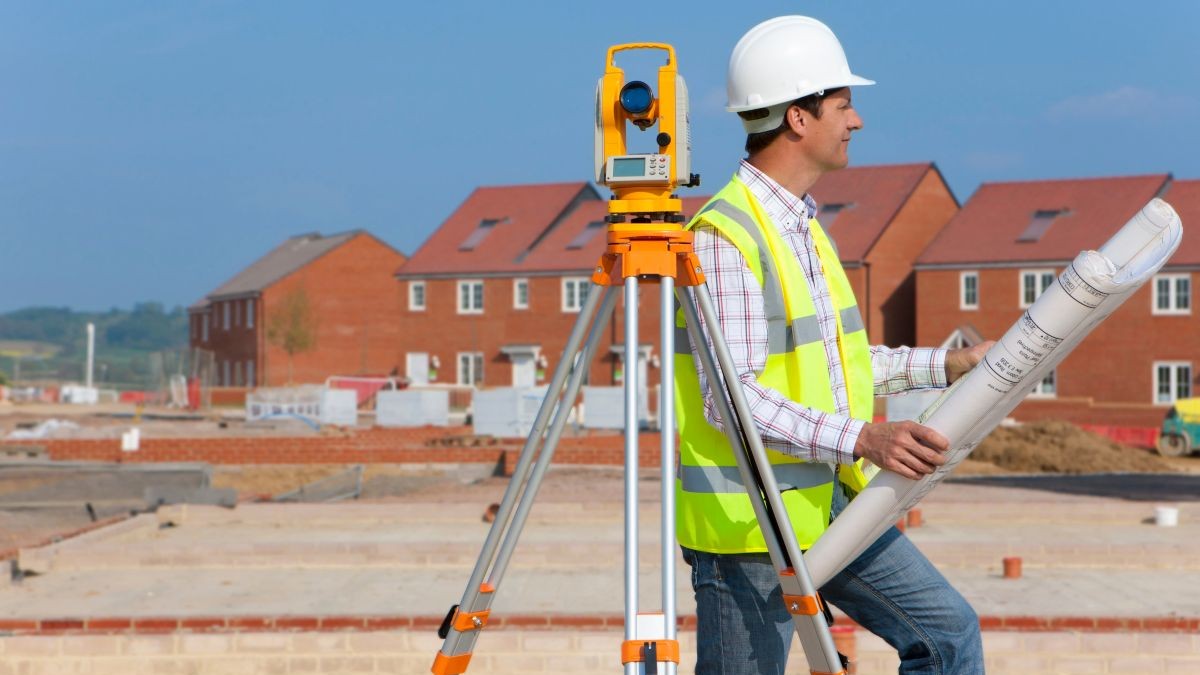 A planning application can fail for reasons that have nothing to do with the design itself. Get the site data wrong, or simply out of date, and even a well-considered scheme can stall before a case officer has properly looked
 -
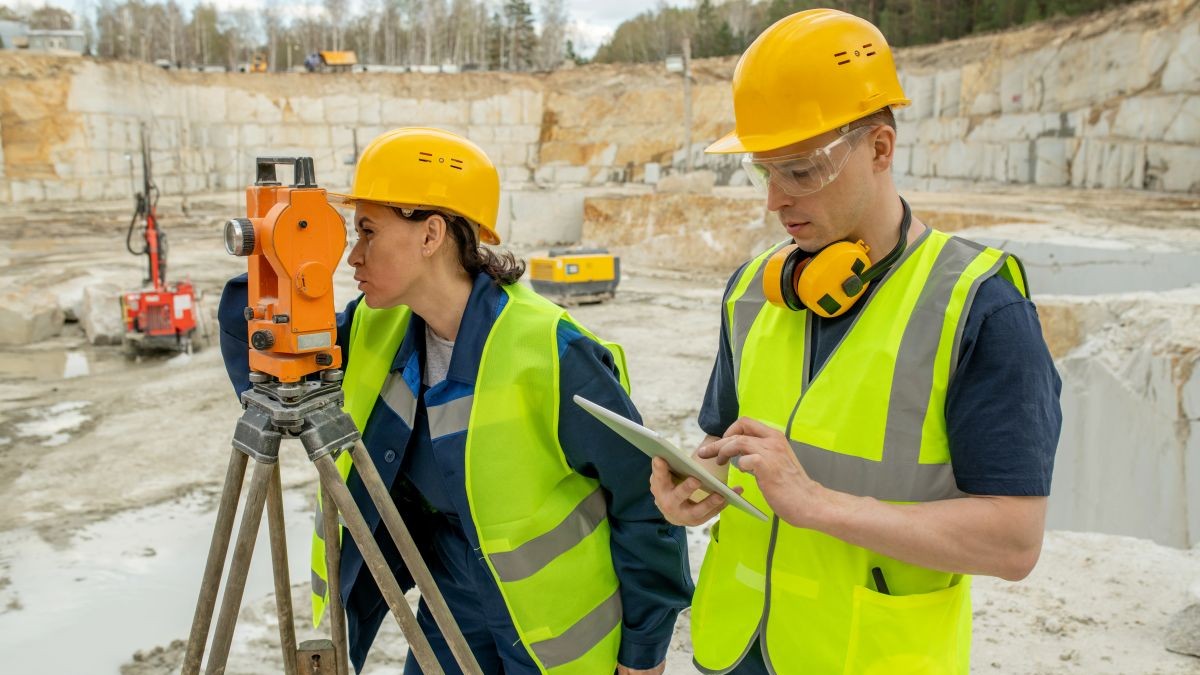 Order the wrong survey and it doesn’t just cost you the fee, it costs you the time waiting for the right one, and quite possibly a stalled set of architectural drawings while everyone works out what’s actually missing. The two
 -
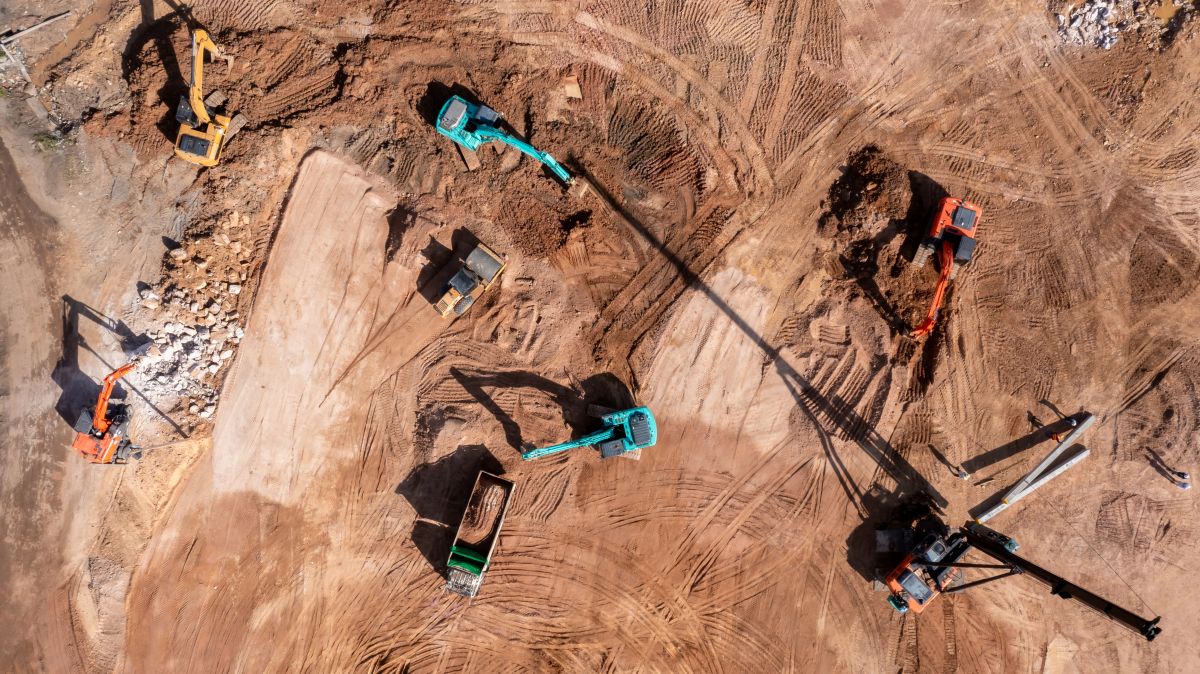 Tight margins, safety risk at height, and survey delays that push a whole programme back a week; these are the everyday frustrations of running a UK construction site. Traditional manual ground surveying does the job, but it does it slowly,
 -
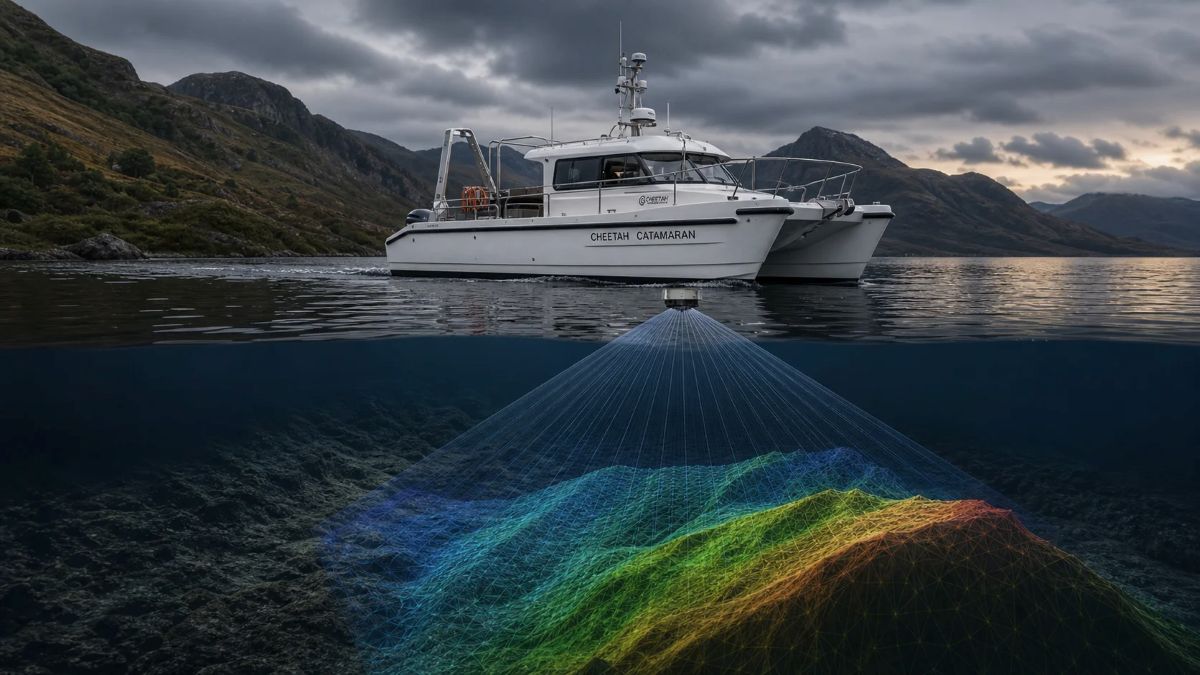 There’s a moment on every hydrographic project where the client asks the same question, in one form or another: how do you actually know what’s down there? It’s a fair question. Water hides detail the way fog hides a coastline,
 -
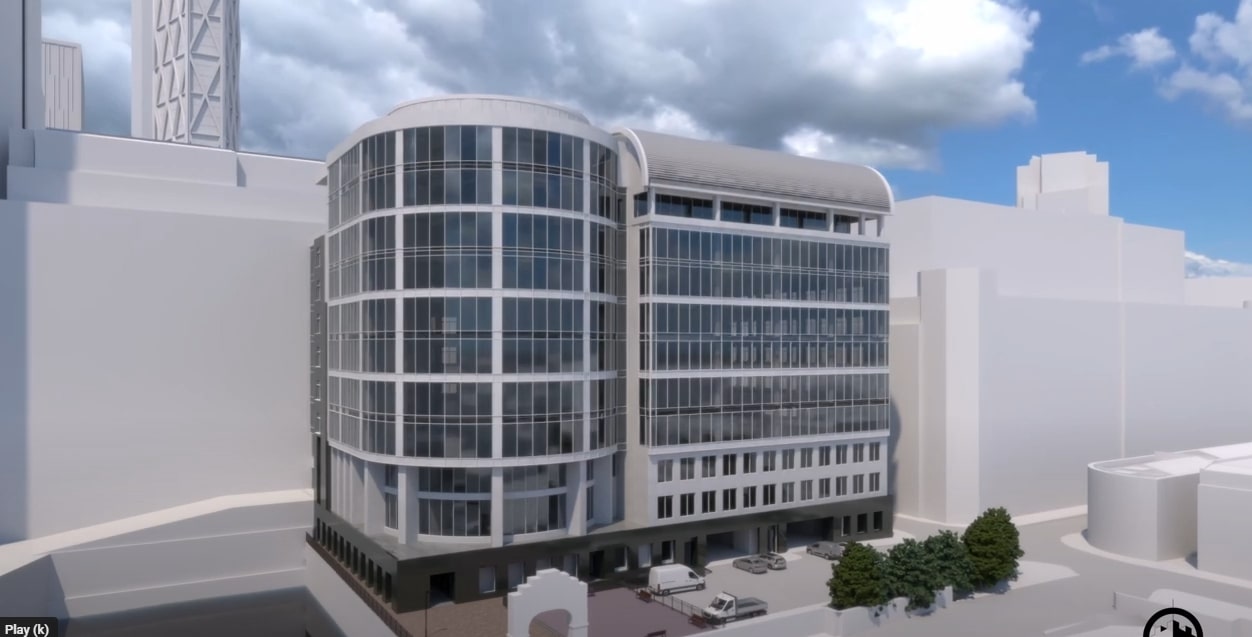 Spend five minutes at any UK construction event and you’ll hear BIM and Digital Twin used as if they mean the same thing. They don’t. But honestly, the confusion is understandable; both involve detailed 3D models, both promise smarter buildings,
 -
 Before PAS 128 arrived, underground utility surveys were a bit of a lottery. Every survey firm had its own methods. Every deliverable looked different. And project managers had no consistent way of judging how much confidence to place in the